Farm-to-table isn’t just a buzzword in the Cayman Islands. It’s a practical response to geography, climate, and a growing appetite for food that tastes like it came from somewhere real.
When you’re on an island, local sourcing isn’t a trend. It’s a necessity that some restaurants lean into harder than others. The best ones build menus around what’s available, what’s fresh, and what actually grows or swims nearby.
What farm-to-table means in the Cayman Islands
Farm-to-table is about shortening the distance between where food is grown or caught and it landing on your plate. In Cayman, that means working with local farmers, fishermen, and producers instead of relying entirely on imports.
It’s not always straightforward. The Cayman Islands doesn’t have vast agricultural land. A lot of produce, meat, and dairy still arrives by air or sea. But there’s a small, determined network of local growers, aquaculture operations, and fishing crews supplying restaurants with fresh ingredients.
Farm-to-table here looks like:
- Restaurants sourcing fish directly from local fishermen rather than frozen imports
- Menus built around seasonal produce from Cayman farms
- Partnerships with hydroponic growers and small-scale agriculture projects
- Chefs who adjust dishes based on what’s actually available that week
It’s less about rigid ideology and more about flexibility, relationships, and a willingness to work with what the island can provide.
The result? Fresher food, more interesting menus, and dining experiences that feel connected to the place you’re in.
Best restaurants for locally sourced dining
Not every restaurant in Cayman can claim strong local sourcing, but a handful have made it central to how they operate.
Restaurants with direct fishing partnerships
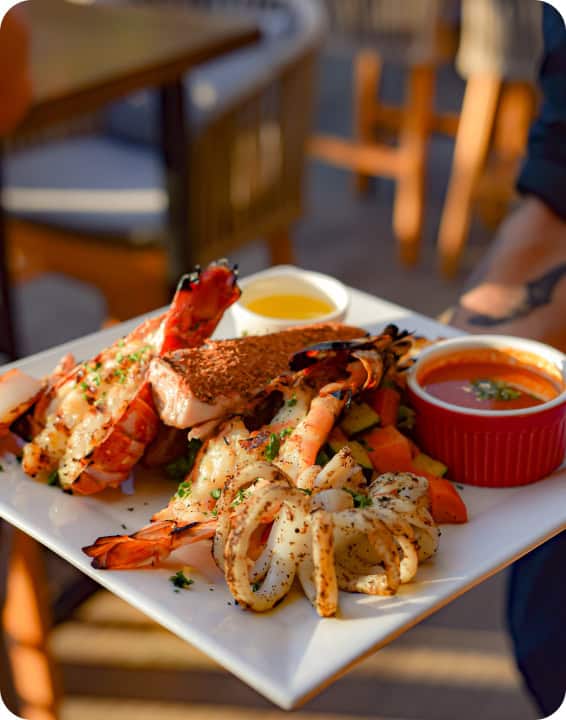
Some of the best seafood spots in Grand Cayman work directly with local fishermen. That means lionfish, snapper, mahi-mahi, and wahoo caught that morning and on the menu by evening.
These restaurants often list the catch of the day rather than a fixed seafood menu. If you see “market fish” or “today’s catch,” that’s usually a sign they’re working with local supply.
The flavour difference is obvious. Fresh fish has a clean, sweet taste. It doesn’t need heavy sauces or aggressive seasoning. A bit of citrus, some herbs, and proper cooking technique is enough.
Farm-forward restaurants with seasonal menus
A few restaurants in Cayman have built their identity around local produce. They work with hydroponic farms, backyard growers, and small agricultural projects to source greens, herbs, tomatoes, peppers, and other vegetables.
These menus change regularly based on what’s available. You might see dishes featuring Cayman-grown lettuce, locally raised chickens and eggs, or herbs picked that morning. The portions might be smaller than import-heavy menus, but the quality is higher.
Restaurants with on-site gardens
A small number of venues grow their own herbs, microgreens, or vegetables on-site. It’s not enough to supply the entire menu, but it adds freshness and shows a commitment to local sourcing.
If a restaurant mentions an on-site garden or rooftop growing space, it’s worth asking what they’re currently harvesting and how it’s being used.
Casual spots with local pride
Farm-to-table doesn’t have to mean fine dining. Some of the best local sourcing happens at smaller, casual restaurants that have strong ties to the community.
These spots might serve Cayman-style fish rundown made with fresh catch, jerk chicken from local farms, or salads with greens from nearby hydroponic operations. The presentation might be simpler, but the ingredients are just as good.
Why local ingredients matter for flavour and sustainability
Eating local isn’t just about supporting the community. It’s about better food.
Freshness changes everything
Produce and seafood lose quality fast. A fish caught yesterday tastes different from one that’s been frozen for weeks. Lettuce picked this morning has more flavour and crunch than something that’s travelled thousands of miles.
Local sourcing means shorter time between harvest and plate. That translates to better texture, brighter flavours, and fewer preservatives or additives needed to keep things edible.
Seasonal eating makes menus more interesting
When restaurants build menus around what’s available locally, they have to adapt. That means seasonal specials, rotating dishes, and chefs who get creative with limited ingredients.
It also means you’re eating food at its peak. Tomatoes in season taste like tomatoes. Out of season, they can taste watery or dull.
Less environmental impact
Importing everything has a cost. Air freight is carbon-heavy. Long supply chains mean more packaging, more waste, and more energy spent keeping food fresh.
Local sourcing reduces that footprint. It’s not zero-impact, but it’s better. And in a place like Cayman, where environmental pressures are real, every bit helps.
Supporting local food security
The more restaurants buy local, the more viable it becomes for farmers and fishermen to keep producing. That strengthens the local food system and reduces dependence on imports.
It’s a slow build, but it matters. Every restaurant that commits to local sourcing makes it easier for the next one to do the same.
Seasonal menus to look for
Cayman’s growing seasons don’t follow the same patterns as temperate climates, but there are still rhythms worth knowing.
Wet season (May to October) brings more local produce. Tomatoes, peppers, herbs, and leafy greens do well. Some restaurants lean into tropical fruits like mango, papaya, and soursop during this period.
Dry season (November to April) is trickier for farming, but it’s prime time for fishing. Expect more seafood-forward menus but fewer local vegetables.
Restaurants that change their menus seasonally are usually the ones doing the most interesting local sourcing.
Local produce and seafood notes
Here’s what you’re likely to find when restaurants source locally:
- Seafood: Lionfish, snapper, mahi-mahi, wahoo, tuna, grouper, lobster, conch (when in season and sustainably sourced).
- Vegetables: Lettuce, tomatoes, peppers, cucumbers, herbs (basil, cilantro, thyme), microgreens. Most of this comes from hydroponic farms or small-scale growers.
- Fruit: Mango, papaya, soursop, coconut, breadfruit (when in season). These are more common in casual or Caribbean-focused restaurants.
- Protein: Some local chicken and pork, though availability is limited. Most meat is still imported, but a few farms are starting to supply restaurants.
If a restaurant lists the farm or fisherman by name on the menu, that’s a strong signal they’re serious about sourcing.
What to order when you want a more local dining experience
If you’re committed to eating local, here’s how to navigate a menu.
Go for the catch of the day
This is almost always the freshest, most local option. Ask how it was caught, where it came from, and how the chef recommends having it prepared.
Simple preparations (grilled, pan-seared, ceviche) let the quality of the fish shine. If it’s smothered in heavy sauce, the restaurant might be hiding something.
Choose seasonal specials
Specials are often built around what the chef got fresh that day. If a dish isn’t on the regular menu, there’s a good chance it’s because the ingredients are local and limited.
Ask about the salad greens
If a restaurant grows its own or sources from local hydroponic farms, the salad will be noticeably better.
Try Caribbean-inspired dishes
Restaurants that lean into local Caribbean flavours are more likely to use local ingredients. Fish rundown, jerk preparations, and dishes featuring breadfruit or plantain often have stronger local ties.
Skip the obvious imports
If you’re ordering a steak or lamb chops, you’re not eating local. That’s fine if it’s what you want, but it’s not farm-to-table.
How Bite Club adds value to dining out in Cayman
If you’re eating out regularly in Cayman, especially at restaurants that put effort into sourcing and quality, you should be getting something back.
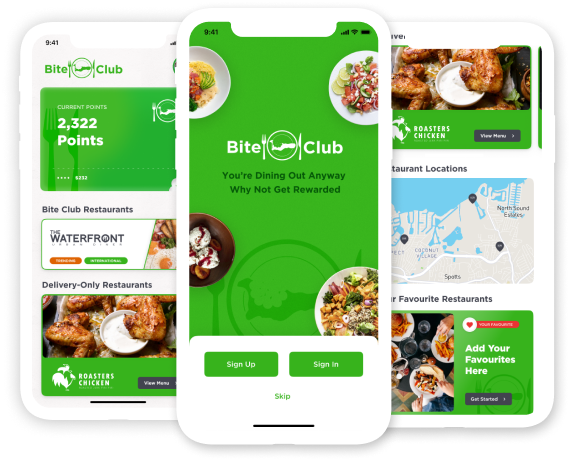
Bite Club is a dining rewards app that partners with restaurants across the Cayman Islands. Every time you dine at a partner venue, you earn points. Those points turn into discounts, free dishes, or other perks.
For people who care about where their food comes from, this matters. You’re already choosing restaurants based on quality and values. Bite Club lets you earn rewards while doing it.
The app also helps you discover new spots. If you’re looking for farm-to-table options or restaurants with strong local sourcing, you can browse by cuisine, location, or dining style. You might find a hidden gem you wouldn’t have known about otherwise.
It’s free to join, easy to use, and designed for people who eat out often. Whether you’re a resident or a visitor, it makes dining in Cayman more rewarding.
Want to discover more local dining in Cayman? Download Bite Club and start earning rewards every time you dine at partner restaurants. Explore farm-to-table spots, seafood favourites, and hidden gems across the island while earning points toward your next meal. Join Bite Club today and make every meal count.