Grand Cayman’s dining scene has become one of the Caribbean’s most diverse. You’ll find proper Thai curries, tandoori that doesn’t compromise, and pan-Asian menus that pull from multiple traditions without losing focus.
The challenge? Knowing where to start when you’re craving asian food grand cayman has to offer. Lump everything under “Asian” and you miss the details that matter: spice levels, cooking styles, whether a restaurant does street food or fine dining.
This guide breaks it down by cuisine, highlights what to order, and shows you how to explore it all without juggling a dozen apps or losing track of where you’ve been.
Where to find Indian food in Grand Cayman
Indian food in Grand Cayman has moved well beyond generic curry houses. You’ll find regional specialties, proper spice blends, and chefs who truly understand the difference between a vindaloo and a korma.
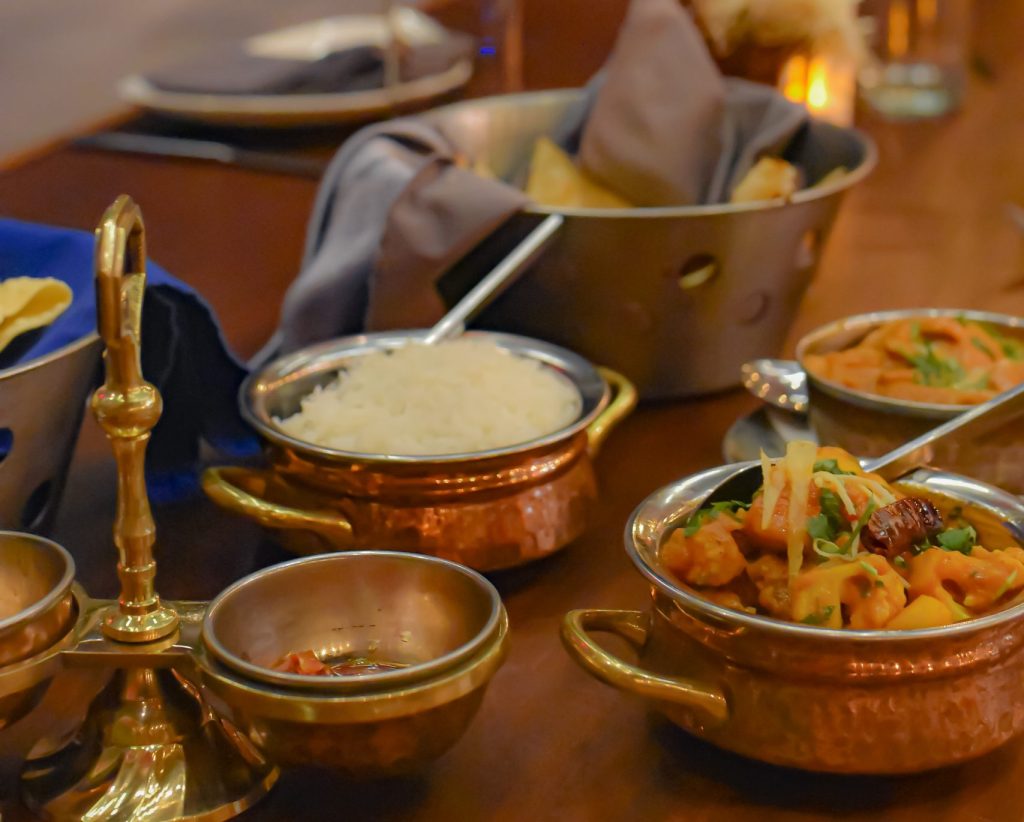
Pani is the standout for anyone serious about Indian restaurants in Grand Cayman. The menu covers North and South Indian traditions, from tandoori platters to dosas that arrive crisp and properly fermented. The spice levels are adjustable but authentic, so if you ask for hot, expect heat.
Signature curries and street-food dishes
Start with butter chicken if you want comfort, but don’t sleep on the lesser-known options. Rogan josh delivers slow-cooked lamb with Kashmiri spices. Masala curries bring heat and complexity. Paneer tikka works as a starter or main, especially if you’re vegetarian.
Street-food dishes like samosas, pakoras, and chaat offer a different entry point. They’re shareable, less commitment than a full curry, and a good way to test a kitchen’s fundamentals.
For the best Indian food Grand Cayman locals recommend, look for restaurants that make their own spice blends and breads in-house. Naan should be blistered and chewy, not dense. Rice should be fragrant, ideally basmati cooked with whole spices.
Thai dishes to try in Grand Cayman
Thai food balances four flavours: sweet, sour, salty, spicy. When a Thai restaurant in Grand Cayman does it right, every dish hits all four without tipping into chaos.
Mizu and Thai Kitchen both deliver solid Thai dishes with different approaches. Mizu leans pan-Asian with Thai influences, while Thai Kitchen focuses purely on Thai traditions. Both understand that pad thai shouldn’t be a sweet noodle puddle and that tom yum should make your sinuses clear.
Noodle and rice favourites
Pad thai is the test. Good versions have tamarind tang, a slight char from the wok, and toppings that add texture (crushed peanuts, bean sprouts, lime).
Tom yum soup (hot and sour with lemongrass and galangal) and tom kha (coconut-based, milder) are non-negotiables. Green curry should be herbaceous and spicy, red curry richer and slightly sweet. Massaman curry brings peanuts and warming spices, closer to Indian flavours than other Thai curries.
For rice dishes, try khao pad (Thai fried rice) or a clay-pot option if available. Larb (minced meat salad) and som tam (green papaya salad) work as sides or light mains, especially in Cayman’s heat.
The best Thai food in Grand Cayman respects the balance. If everything tastes the same or leans too sweet, the kitchen’s cutting corners.
Pan-Asian options for variety seekers
Pan-Asian menus pull from multiple cuisines: Thai, Japanese, Chinese, Vietnamese, Korean. Done well, they offer range without sacrificing quality. Done poorly, they’re a confused mess.
Mizu handles this well. The menu spans sushi, Thai curries, and Chinese stir-fries, but each section feels considered rather than tacked on. You can order maki rolls and Thai red snapper in the same meal without either suffering.
This approach works for groups with different preferences or diners who want to sample across cuisines. It’s also useful when you’re not sure what you’re craving but know you want something in the asian restaurant category.
Best options for spice lovers
If you want heat, Thai and Indian cuisines deliver reliably. Ask for “Thai spicy” rather than “medium” if you want the kitchen to take you seriously. Indian restaurants usually mark spice levels clearly, but confirm whether “hot” means tourist-hot or actual-hot.
Sichuan dishes (if available on pan-Asian menus) bring a different kind of heat: numbing peppercorns alongside chili oil. It’s addictive once you adjust.
How to choose the right restaurant for your craving
Choosing where to eat shouldn’t require a research project, but a few questions help narrow it down fast.
What’s the primary craving? If you want Indian, go to a dedicated Indian restaurant. If you want Thai, same logic. Pan-Asian works when you’re flexible or ordering for a group with split preferences.
Dine-in or delivery? Some dishes travel better than others. Curries and stir-fries hold up well. Fried items (spring rolls, samosas) lose crispness. Sushi is best eaten fresh, though good restaurants pack it properly.
Spice tolerance? Be honest with yourself and the server. Most kitchens will adjust, but some dishes are built around heat and lose their identity when toned down.
Group size and sharing style? Asian cuisines are built for sharing. Order a variety of dishes and split them family-style. Solo diners should look for lunch specials or smaller portion options.
Dine-in settings vs easy ordering
Dine-in gives you the full experience: proper plating, fresh preparation, the ability to ask questions. Delivery or pickup offers convenience, especially when you’re already home and don’t want to move.
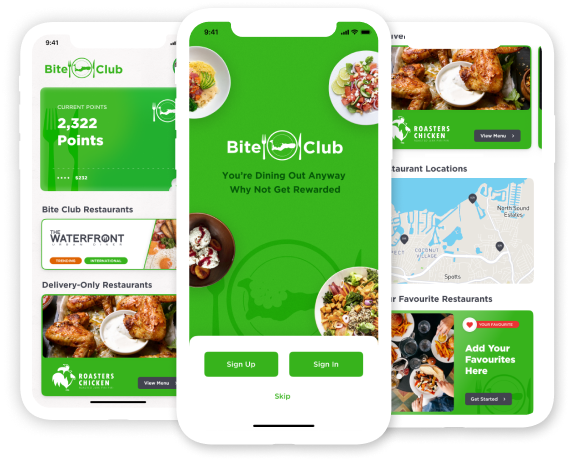
Bite Club Cayman bridges this gap. You can browse menus, compare options, and place orders without switching between apps or websites. You’ll also earn rewards whether you’re dining in or ordering out, which adds up faster than you’d think.
Group-order suggestions
For groups, mix and match: a few curries, a noodle dish, rice, and sides. This lets everyone try multiple things without committing to a single flavour profile.
Indian meals work well with a variety of breads (naan, roti, paratha) and rice. Thai meals benefit from balancing spicy dishes with milder coconut-based curries. Pan-Asian menus let you jump between cuisines entirely, which keeps things interesting.
Why Bite Club is useful for exploring Asian food
Exploring asian food grand cayman offers means trying multiple restaurants, comparing menus, and figuring out what works for your taste. Bite Club Cayman makes this easier by putting everything in one place.
You can view menus before you commit, compare options across Indian, Thai, and pan-Asian restaurants, and place orders without juggling multiple platforms. The app covers Pani, Mizu, Thai Kitchen, and other participating spots, so you’re not limited to one cuisine or location.
The rewards programme is the other half. Orders earn points, whether you’re trying a new restaurant or returning to a favourite. Those points convert to savings on future meals, which matters when you’re eating out regularly.
For visitors, it’s a way to navigate Cayman’s dining scene without relying on outdated blog posts or generic review sites. For residents, it’s a single app that handles most of your go-to spots and rewards you for eating out anyway.
Download Bite Club to explore the full range of Asian restaurants available. View menus before you choose, compare spice levels and portion sizes, and earn rewards while trying new cuisines. Start with a featured Indian or Thai pick today and see what Grand Cayman’s Asian food scene has been building.